Requirements Definition
Repeatable flight, low unit cost, operator burden, modular mission interface, support model and acceptance criteria.
Austera supports requirements, architecture, integration, verification, flight evidence and sustainment so attritable autonomy can be evaluated, accepted and scaled with confidence.
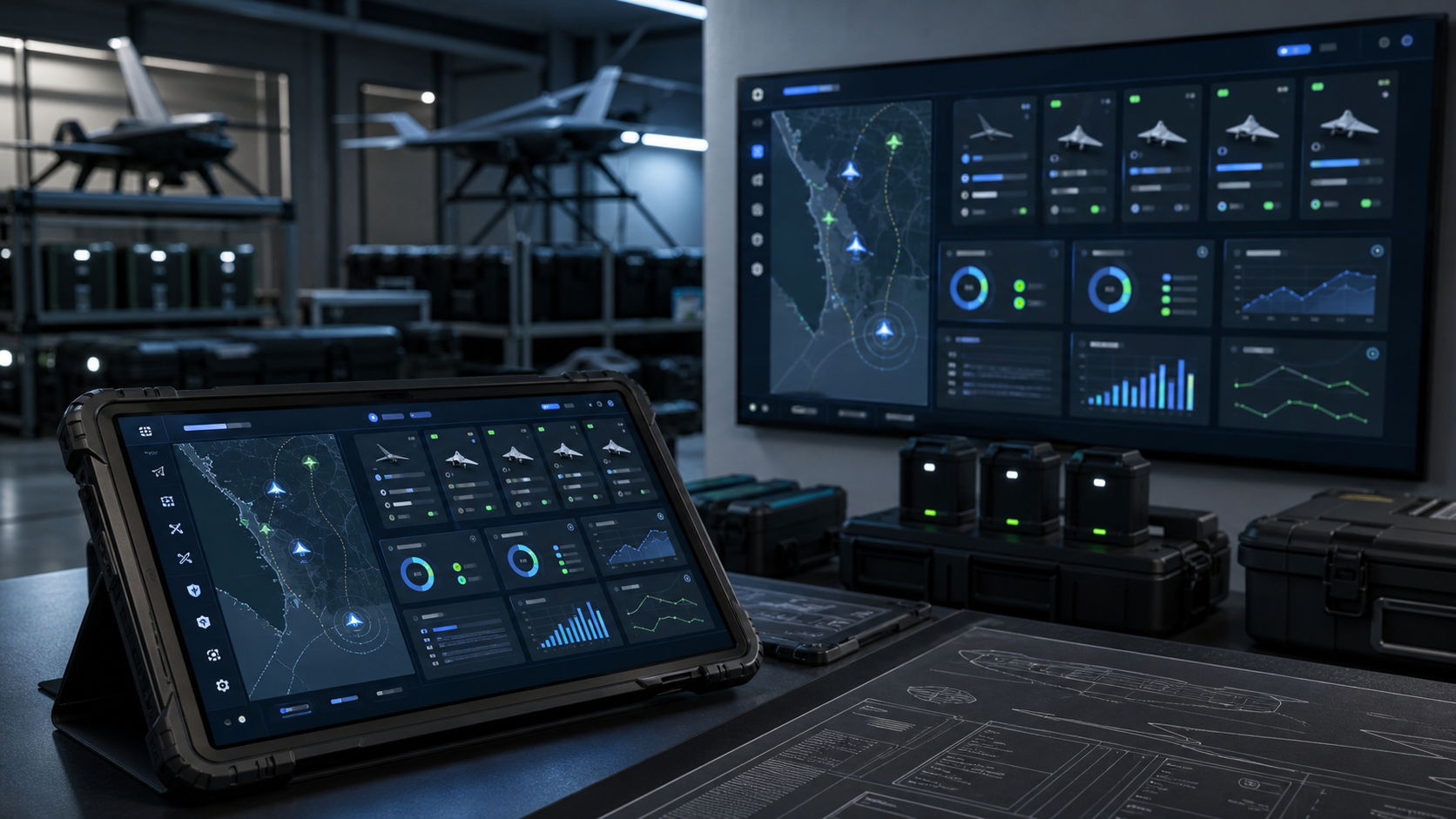
Requirements, ICDs, VCRM, configuration control, flight logs, mission replays, QA records, safety procedures, support records and low-rate readiness.
Repeatable flight, low unit cost, operator burden, modular mission interface, support model and acceptance criteria.
Subsystem architecture, ICDs, mission interface, data flows, ground segment and derivative boundaries.
Verification matrices, flight logs, mission replays, test procedures, trial records, operator drills and acceptance results.
Configuration history, software release notes, defect closure, version records and controlled system changes.
Sensor, alerting, training, reporting and defensive integration evidence with clear ownership boundaries.
Hazard logs, test readiness, operating envelope controls, checklists, crew drills and training records.
Spares, field-repair methods, reliability planning, maintenance documentation, QA records and support package definition.
Architecture, risk register, test data, compliance assumptions and next-step recommendations for buyer review.
The first 24 months are designed to reach repeatable flight, pilot-ready configuration and low-rate readiness without scaling ahead of evidence.
The dashboard keeps delivery honest by linking system claims to evidence, not narrative confidence.
Repeat sortie evidence, route adherence, endurance assumptions, availability, operator workload and support burden.
Interface closure, defect rate, release cadence, simulation pass rate and field-trial readiness.
Alert quality, training records, sensor integration assumptions, reporting outputs and defensive workflow evidence.
Configuration records, spares, maintainability, QA pack, support response and upgrade path clarity.