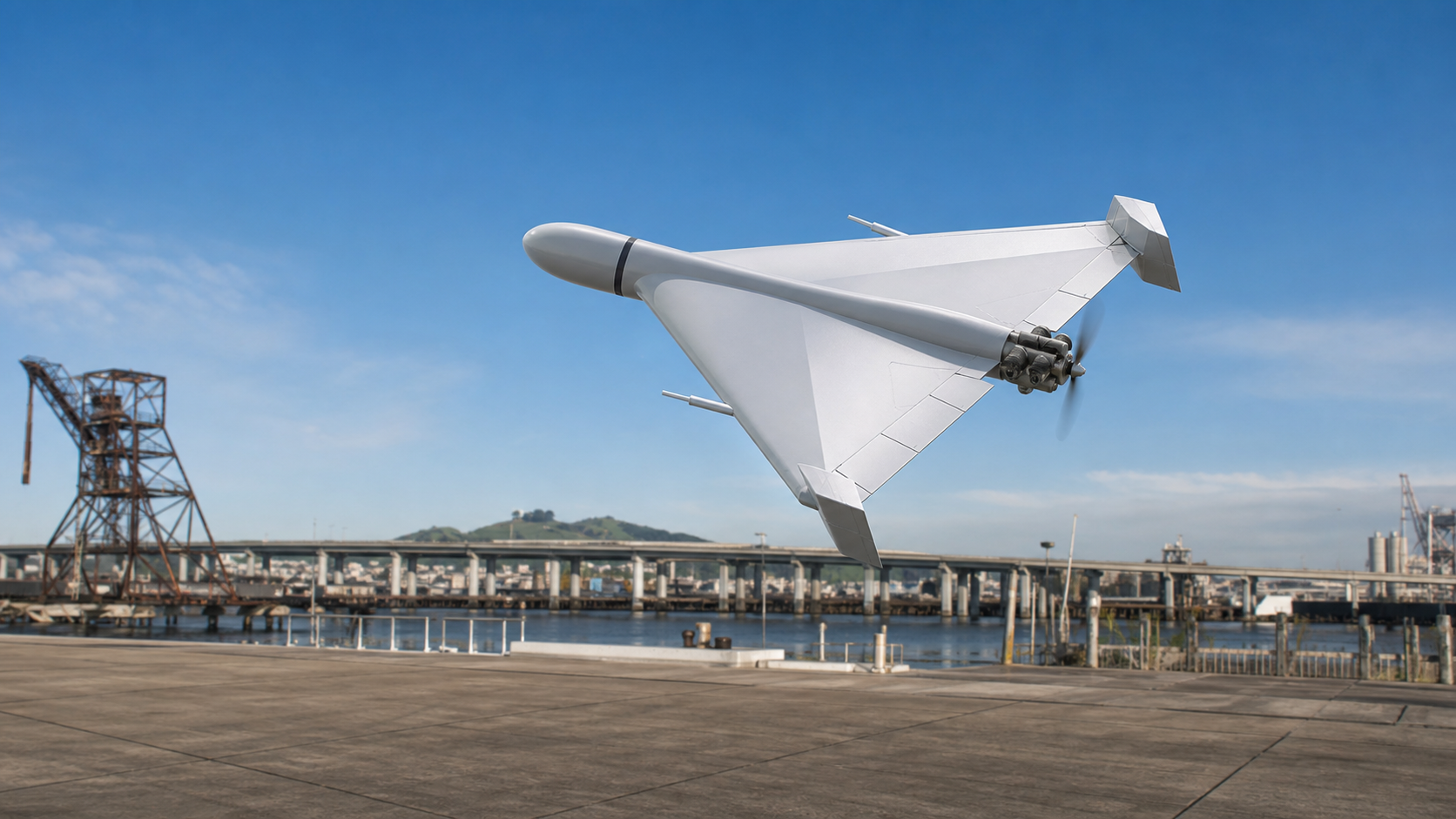
AD-01 loitering-munition class platform.
Low-cost attritable fixed-wing autonomy for defence experimentation, training, target effects and approval-dependent kinetic pathways.
AusteraDynamics builds low-cost attritable unmanned systems for defence experimentation, evaluation and approval-dependent kinetic-effects pathways - backed by mission software, simulation, counter-FPV capability and disciplined systems assurance.
Austera's roadmap starts with AD-01 repeatable flight and pilot readiness, then reuses the same autonomy, mission software, interface and evidence stack across counter-FPV, training, ISR, relay and partner-supplied mission packages.
Deterrence, denial, cost imposition, realistic training, evaluation targets, counter-FPV defence and sovereign stockpile depth.
Low-cost fixed-wing baseline, modular mission interface, repeatable flight evidence and derivative path for lawful effects.
Counter-small-UAS sensing, training support, alerting, reporting and integration with defensive defeat workflows.
AD-Control, AD-Sim and AD-Fleet for planning, ground control, telemetry, replay, simulation and support records.
Requirements, ICDs, VCRM, trials, configuration control, QA, acceptance records and low-rate readiness.
Low-cost attritable fixed-wing autonomy for defence experimentation, training, target effects and approval-dependent kinetic pathways.
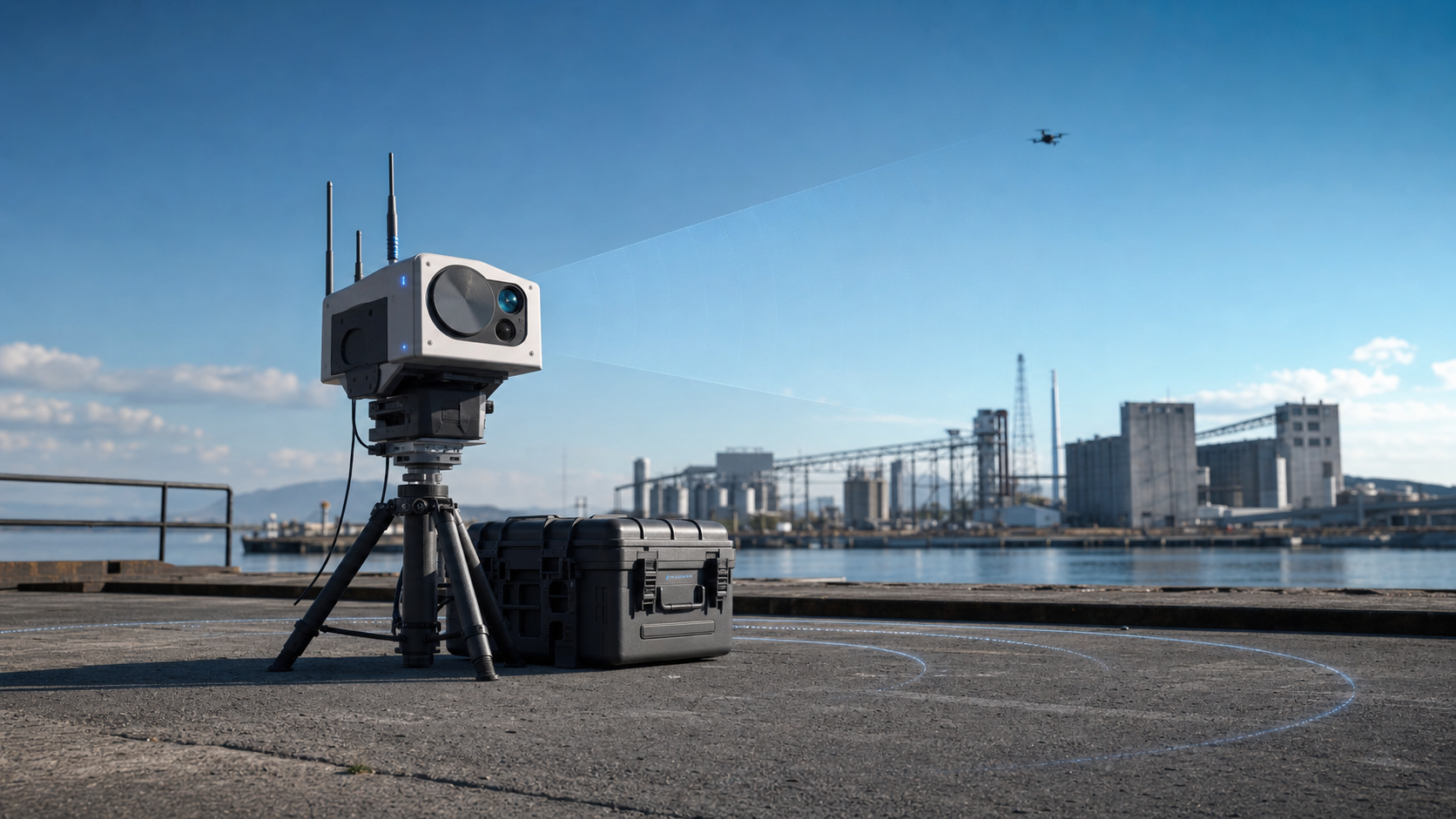
Counter-small-UAS detection, tracking, alerting, test support and defeat-integration workflows built from the same engineering core.
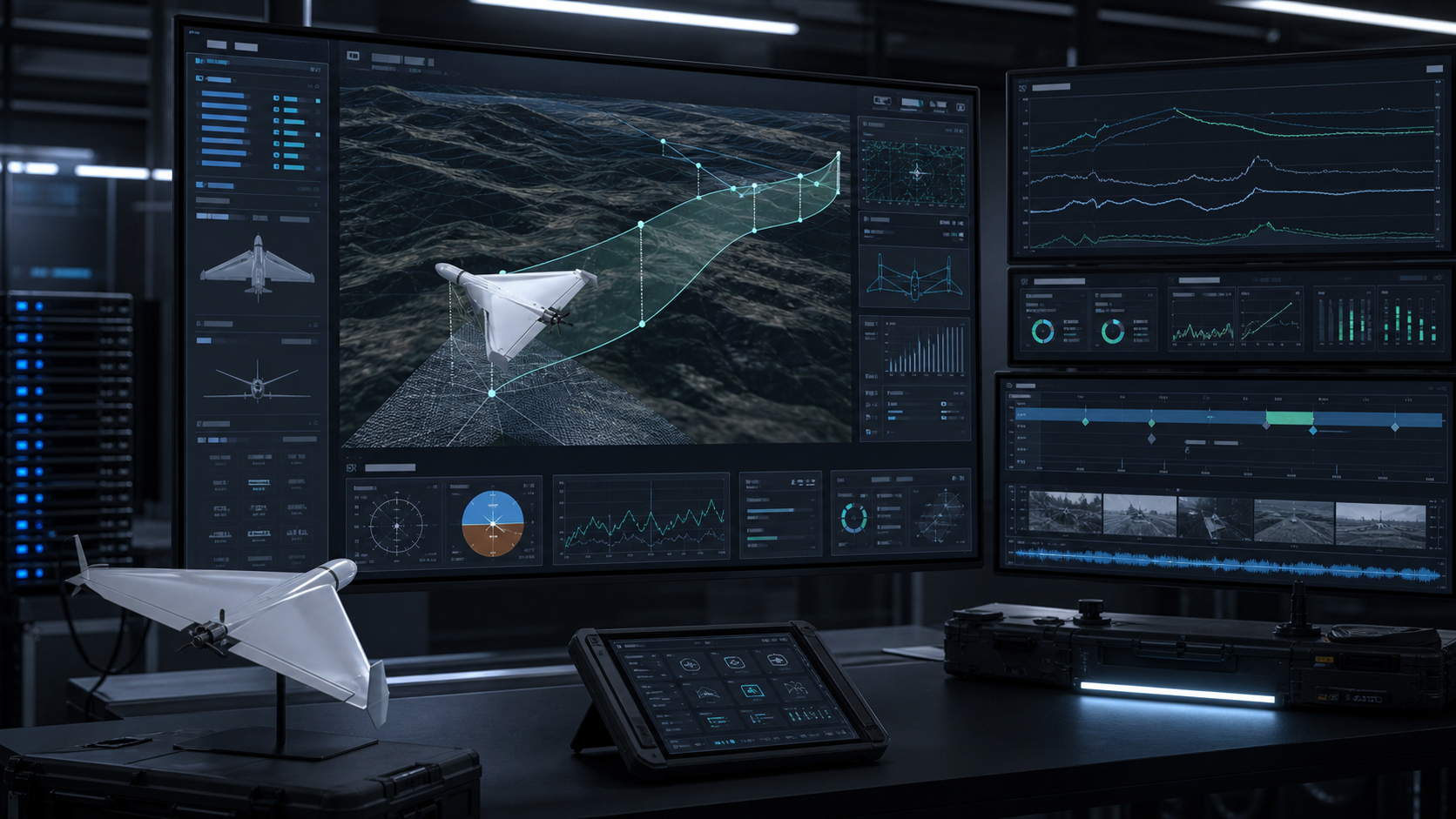
Mission planning, telemetry, replay, digital thread, VCRM evidence, QA and support tooling that make the products evaluable.
The public roadmap is intentionally ordered: AD-01 first, AD-02 second, then software, simulation, range support, ISR/relay derivatives and trusted partner integrations.
Loitering-munition class fixed-wing autonomy for defence evaluation, training, target effects and future lawful kinetic-effects derivatives.
View solutionCounter-small-UAS detection, tracking, alerting, training support, reporting and defeat-system integration for defensive missions.
View solutionRecoverable, inert and target-effect configurations that help defence teams evaluate tactics, training and countermeasure performance.
View solutionEvidence-backed flight programs for rapid capability teams, primes and government evaluators seeking sovereign autonomy data.
View solutionNon-kinetic sensing, relay, maritime, border and infrastructure derivatives that reuse the AD-01 autonomy and interface core.
View solutionMission software, payload interfaces, simulation, test evidence and subsystem packages for ASCA, CASG and prime-contract routes.
View solutionAustera is built around a tightly sequenced build-and-fly program: prove AD-01, attach software and simulation, then expand into AD-02 and other derivatives without fragmenting the core architecture.
Austera can supply AD-01 evidence packages, mission software, simulation environments or interface-controlled subsystems into larger programs.
AD-02 can support sensor, C2, range, test and defeat-integration partners without resetting the AD-01 common core.
Australian-controlled code, integration knowledge, test data, QA records and production learning stay close to defence users.